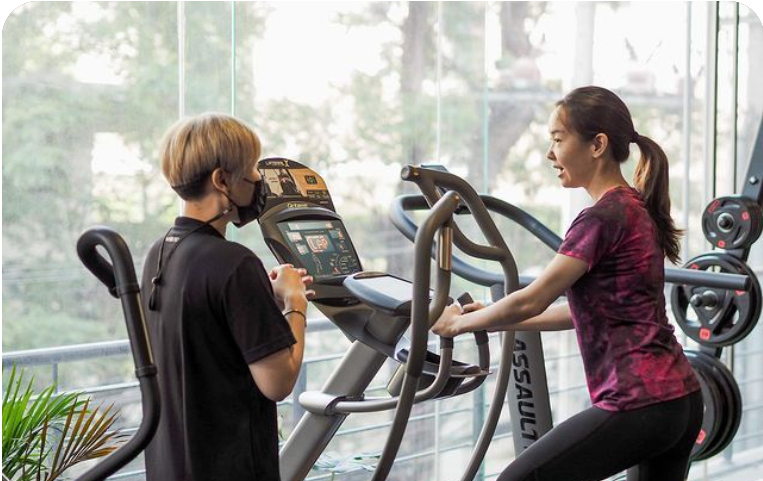
As one of the most common pieces of cardio equipment in gyms, the elliptical machine has become a staple in many fitness routines due to its low-impact, full-body workout. This article provides a structured overview of the scientific benefits of the elliptical machine, key training strategies, and how to incorporate it into your daily routine to achieve long-term fitness goals.
Key Points Overview
- Low-Impact, High-Heart-Rate Cardio Training
The elliptical machine maintains an elevated heart rate while minimizing impact on the knees, hips, and ankles, making it suitable for those concerned about joint health and those seeking moderate-intensity cardio training. - Calorie and Energy Balance
The elliptical machine can achieve significant calorie burn in the same amount of time, making it suitable for both weight management and improving cardiovascular endurance. Actual calorie burn depends on factors such as weight, intensity, resistance setting, and duration of training. This makes it an effective component of a comprehensive fitness program. - Whole-Body Synergy
The elliptical machine’s pedaling motion simultaneously activates the lower limb muscles (front and back thighs, gluteal muscles) and the upper leg grip handles, providing comprehensive muscle engagement and helping to improve overall metabolic and circulatory function. - Training Flexibility and Plasticity
By adjusting the resistance, incline, and cadence, you can achieve a variety of training styles, from aerobic endurance training to high-intensity interval training (HIIT), suitable for beginners and advanced users.
Note: The above points are compiled from multiple sources of public information and are intended to help readers effectively align elliptical training with their personal goals.
Training Recommendations and Structured Plan
1) Beginner Phase (4–6 Weeks)
- Goal: Build foundational cardiorespiratory endurance and exercise habit
- Frequency and Duration: 3 times per week, 20–30 minutes per session, maintaining a moderate intensity
- Key Training Points:
- Use moderate resistance to avoid fatigue
- Maintain a steady breathing rhythm and even footsteps
- Perform light stretches at the end of each session, focusing on the knees, hips, and calves
2) Endurance Phase (6–12 Weeks)
- Goal: Improve aerobic capacity and fat burning efficiency
- Frequency and Duration: 3–4 times per week, 30–45 minutes per session
- Key Training Points:
- Introduce two HIIT sessions (e.g., 1–2 minutes of high intensity followed by 1–2 minutes of low intensity recovery, repeated 4–6 times)
- Gradually increase resistance while maintaining good form
- Track your heart rate zones to ensure you’re training within your target range
3) Strengthening and Maintenance Phase (Ongoing)
- Goal: Maintain physical fitness, enhance metabolism, and improve long-term health
- Frequency and Duration: 4–5 times/week, 45–60 minutes per session
- Key Training Points:
- Regularly vary training structure: Mix prolonged moderate-intensity sessions with intermittent high-intensity sessions
- Integrate strength training for comprehensive fitness improvement
- Focus on recovery and rest to avoid overtraining
Training Environment and Precautions
- Equipment Selection and Adjustment
- Choose the appropriate settings for seat height, handle width, and pedal resistance to ensure knee alignment and comfort throughout the exercise.
- If you experience knee discomfort, prioritize low resistance and a smoother pedaling motion to avoid sharp impacts.
- Safety and Health Considerations
- Those with chronic knee or hip problems or balance issues should use an elliptical machine under professional supervision, supplementing with lower-intensity alternatives as needed.
- Warm up and stretch before and after training to reduce injury risk and promote recovery.
- Integration with Other Training
- Integrate the elliptical machine into a broader fitness plan, such as with strength training, flexibility training, and daily walking, to create a multifaceted path to better health.
Note: Safety and personalized recommendations are based on industry expertise in elliptical training.
Nutrition and Recovery Support
- Energy Balance and Sleep
Regular aerobic training helps improve cardiovascular health, increase metabolic rate, and promote sleep quality. When combined with a balanced diet, it can more effectively support weight management and fitness goals. - The Importance of Rest Days
It is equally important to allow muscles time to recover to avoid excessive fatigue or injury from continuous high-intensity training. Rest days can include light activities such as walking, yoga, or light stretching.
Note: Nutrition and recovery recommendations are derived from a wide range of fitness and health resources and emphasize consistency and a holistic approach.
As an efficient, low-impact aerobic training tool, the elliptical machine improves cardiorespiratory fitness, burns calories, and promotes synergistic work among all muscle groups while remaining joint-friendly. Through systematic training plans, personalized adjustments and good recovery management, elliptical machine training can be integrated into a long-term healthy lifestyle.