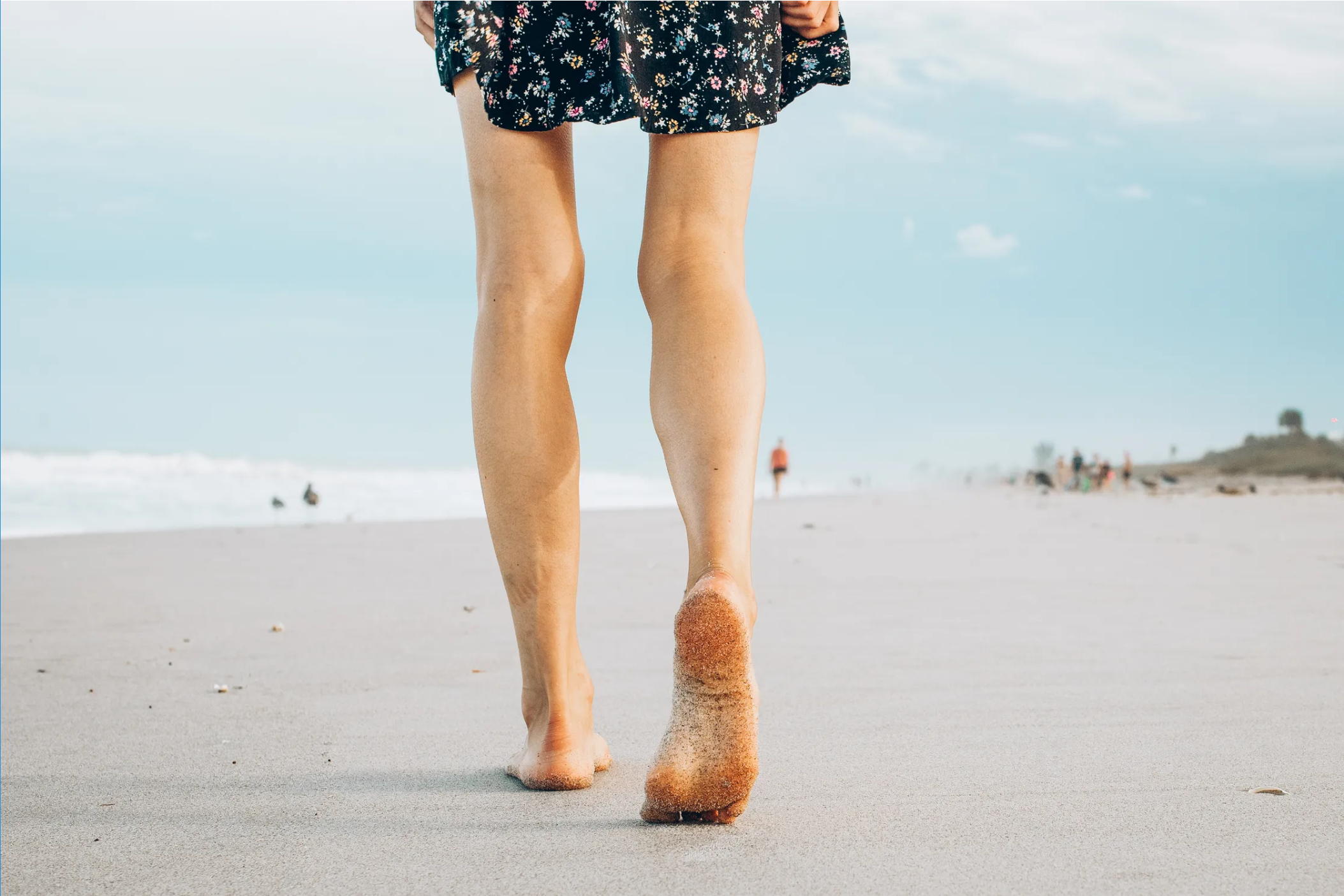
In the fast-paced world of modern life, health is more than just a physical state; it’s a daily lifestyle. The following content presents this season’s core health and lifestyle trends in a structured format, along with practical approaches and application solutions for different scenarios, to help readers transform inspiration into actionable daily practices.
Core Trend Overview
- Holistic Wellness
Wellness no longer simply refers to “improving a certain part of the body” but rather a comprehensive balance of mind, body, and spirit. This includes sleep quality, diet, emotional management, and the coordination of daily activities.
- The Return of Daily Ritual
In the midst of busyness, seek sustainable self-care rituals, from morning yoga to evening relaxation practices, emphasizing consistency and actionability.
- Data-Driven Self-Care
Using wearable devices, diaries, and simple self-assessment tools, create a self-monitoring cycle to adjust daily habits and goals.
- Environmental and Social Wellness
Emphasizes the social dimension of healthy behaviors and the impact of environmental conditions, such as exercising with friends and the shared psychological and physiological benefits of a green lifestyle.
Key Lifestyle Tips
- Prioritize Sleep
A regular sleep schedule, an appropriate sleeping environment, and a simplified bedtime ritual can help improve overall recovery and daytime alertness. It’s recommended to establish consistent bedtimes and wake-up times, and avoid stimulating activities before bed. - Structured Diet
Focus on a balanced intake of protein, fruits and vegetables, and healthy fats, while reducing the proportion of processed foods to ensure energy stability and emotional well-being. A simple weekly plan can be used to avoid randomness in daily eating. - Diversify Your Physical Activity
Incorporate aerobic, strength, and flexibility exercises into your weekly schedule to avoid fatigue or boredom caused by a single activity. You can organize your training based on your interests and availability to create a sustainable training cycle. - Emotion and Stress Management
Introduce breathing exercises, short meditation sessions, or journaling to help buffer daily stress and improve anxiety management.
Scenario-Based Practice Template
- Daily Workday
- Morning: A brief meditation/deep breathing session for 5–10 minutes, followed by a high-protein breakfast. – Daytime: Break up work into short bursts and engage in short activities, such as getting up and moving for 5 minutes every 50–60 minutes.
- Nighttime: Relax and maintain a regular bedtime routine, minimizing screen time.
- Relaxing weekends
- Choose light activities with friends, such as walking, cycling, or outings, that incorporate the psychological benefits of natural surroundings.
- Focus on a relaxed and healthy diet, such as homemade simple meals and fresh fruits and vegetables.
- Health Improvement Phase
- Introduce small goals, such as adding moderate-intensity exercise once a week, gradually optimizing sleep time, and tracking mood swings to adjust strategies.
Using Color and Texture in Everyday Life
- The Visual Connection to Emotion
The color of your daily environment (such as the hues of your bedroom and workspace) influences sleep and mood. Using warm, soothing colors can enhance relaxation and focus. - The Tactile Experience of Materials
The materials used in everyday items (bedding, cushions, clothing) influence comfort and body feedback. Choosing materials that are skin-friendly and breathable promotes long-term sustainability. - Mind-Body Synergy
Through lightweight muscle relaxation exercises, stretching, and breathing techniques, you can better sync your body’s signals with your emotional state, improving the quality of your daily life.
Practical Implementation Checklist
- Shopping and Tool List
- Basic Tools: Sleep aids (such as eye masks and light-blocking curtains), a basic yoga mat, and home meditation/breathing aids.
- Nutrition and Wellness: Basic ingredients for a balanced diet, vitamin and mineral supplements (use with a doctor’s advice).
- Exercise Equipment: Comfortable athletic shoes, easy-to-follow home training equipment (resistance bands, yoga blocks, etc.).
- Action List
- Set weekly health goals (sleep, diet, exercise, and mood management) and conduct weekly assessments.
- Record key metrics, such as sleep duration, mood diary, and activity levels, to adjust your plan.
- Personalization and Localization
Tailor your healthy lifestyle plan to your schedule, work schedule, and family responsibilities to ensure sustainability.