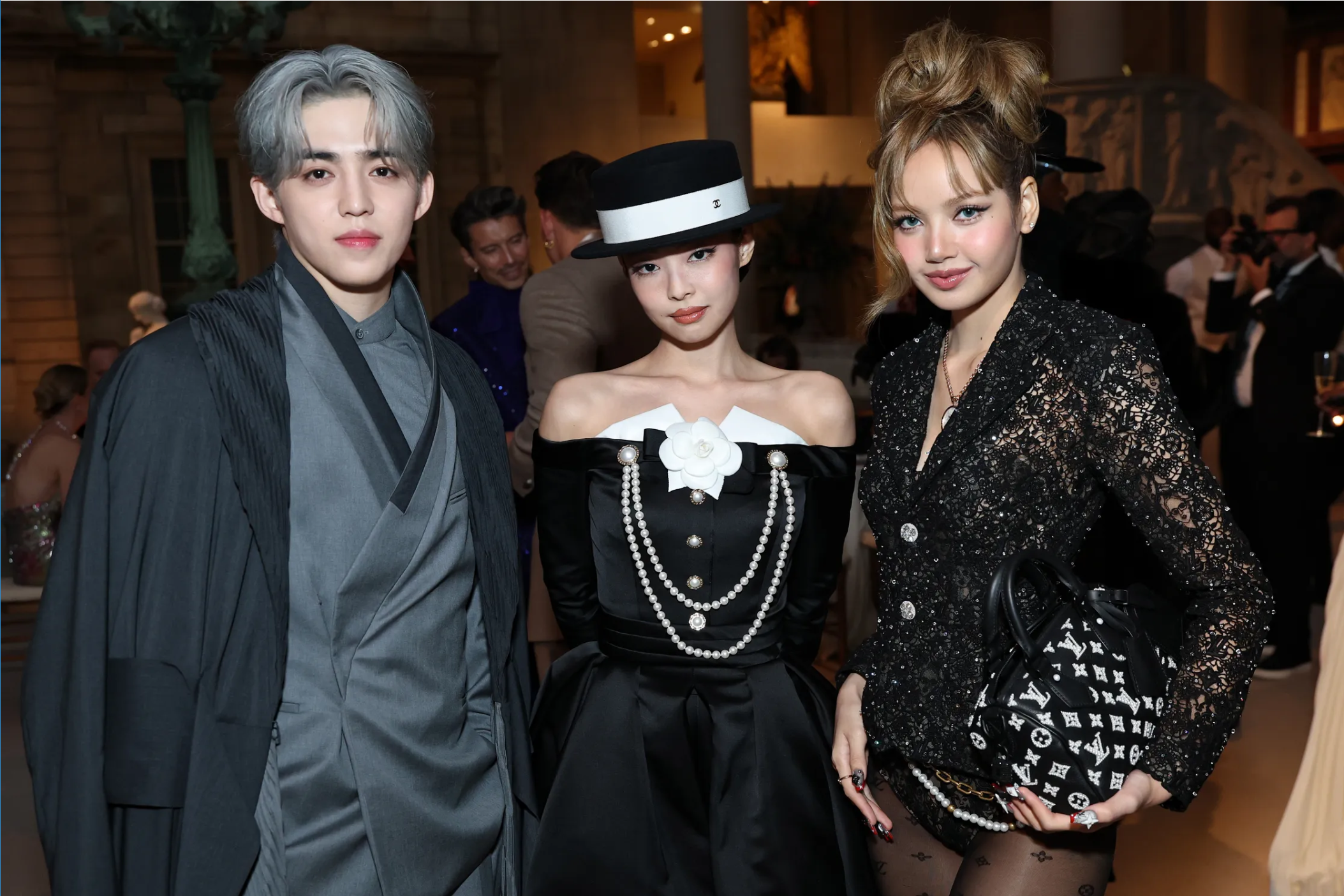
On the global fashion stage, Korean style, with its unique deconstructed aesthetic and eclectic mix-and-match spirit, continues to drive the conversation between streetwear and high-end fashion. In 2025, Korean style will no longer be confined to East Asia, but will be reinterpreted and recreated globally, becoming a common language for diverse aesthetics. The following structured guidelines will help you grasp this year’s core trends, practical outfit suggestions, and distinctive style statements.
1. Overview of this year’s core trends
- Focusing on “deconstruction and layering”: From silhouettes to materials, the interplay of shapes and materials creates a sense of layering and effortless elegance.
- A unisex aesthetic: clean cuts and sharp lines, but individuality is expressed through details such as color, texture, and accessories. – Retro and futuristic coexistence: borrowing elements from the 90s and early millennium, while adding new materials and a sense of technology.
- Bright embellishments in a plain color scheme: beige, gray, khaki and other low-saturation colors as the base, supplemented by lemon yellow, grass green, powder blue and other soft colors.
- Practicality and high quality coexistence: functional items (multiple pockets, detachable parts, durable fabrics) are juxtaposed with high-end fabrics, emphasizing that “wearing is life”.
Note: The above trends are a combination of the key points compiled from the continuous observation of Korean style by global fashion media, combined with the interpretation of various sub-sectors in 2025 from multiple sources. [3][8][9]
2. Key points of structured dressing
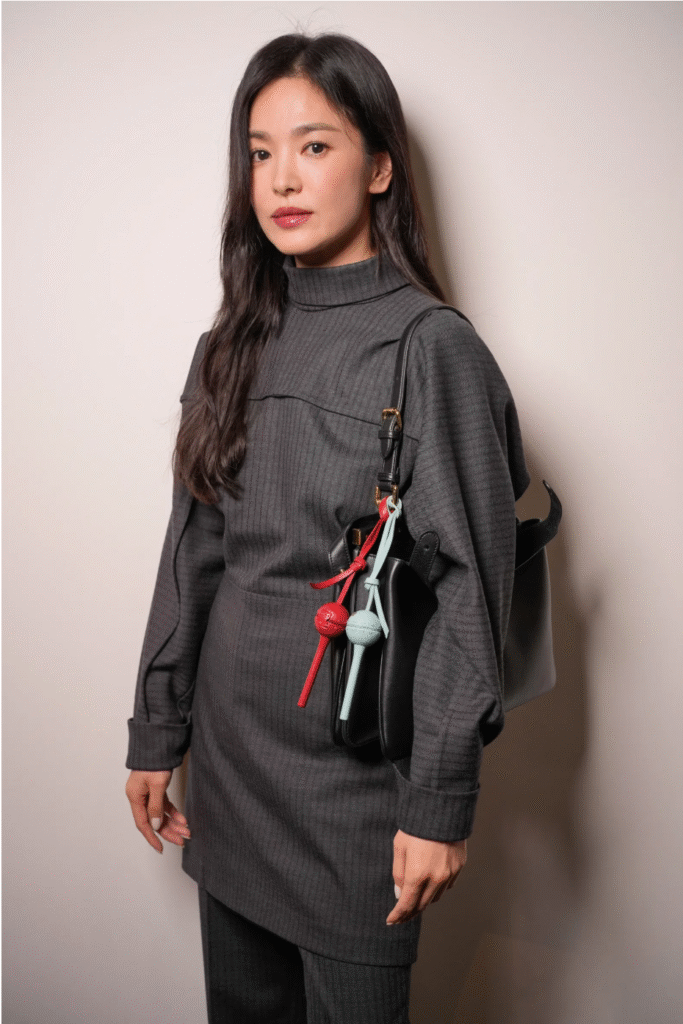
2.1 Modern transformation of basic styles
- Classic silhouettes such as straight pants, simple suits, and basic knitwear are enhanced with a modern feel through minor changes (such as asymmetrical tailoring, metal zippers, and invisible pocket designs). – Fabrics tend to favor blended and high-density wovens to ensure drape and silhouette retention.
2.2 Layering and Tension
- Layer outerwear and innerwear in a staggered manner, such as a short jacket layered over a long shirt, or an oversized blazer paired with a fitted innerwear piece.
- Create visual tension through contrasting lengths and materials.
2.3 Balance of Color and Texture
- Use a neutral base color palette with bright/soft accents to achieve an understated, eye-catching effect.
- Emphasize the importance of texture contrast: juxtapose rough weaves, smooth leather, and delicate silk.
2.4 Narrative Accessories
- Choose functional bags and headwear, such as multi-pocket backpacks, thick-soled shoes, and vintage athletic socks, to create a story.
- Accessories should not overshadow the overall look; they should serve to maintain the consistency of the overall lines and style.
Note: The above points can be directly applied to outfit planning for daily commuting, leisure activities, and small social events.
3. Style Strategies and Target Audiences
- Urban Worker: Clean silhouettes and high-quality materials emphasize neatness and professionalism, while using subtle design highlights to break up the dullness.
- Street Style: Layering, oversized elements, and bold color contrasts emphasize personal narrative and attitude.
- Gender Neutral/Crossover: Neutral cuts and freely combinable pieces emphasize comfort and freedom of self-expression.
- Travel and Everyday Mix: Durable, easy-to-care-for pieces emphasize functionality and quick styling.
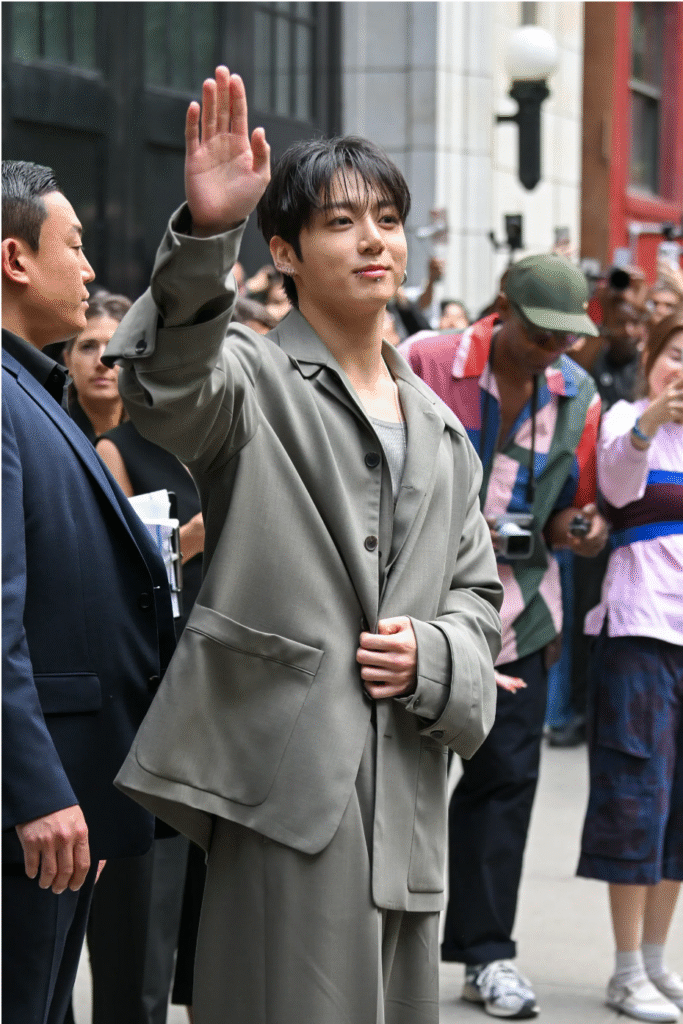
Note: These strategies are derived from an analysis of the application of Korean style in different lifestyle scenarios, combined with the preferences of young consumers worldwide.
4. How to Implement These Styles in Everyday Shopping and Styling
- Start with the Basics: Prioritize basic pieces that fit well and are of good quality, such as a well-tailored blazer, fitted jeans, and solid-color sweaters.
- Layering-centric styling: Try a short jacket, long shirt, and high-waisted pants for a layered yet comfortable look.
- Focus on details, not quantity: Choose a few key pieces to complement a variety of occasions, avoiding overly integrated, unstructured shopping.
- Explore cross-border styling: Mix and match traditional Korean elements with local styles to create your own unique Korean-inspired look.
Note: Shopping and styling strategies aim to enhance wearability and longevity, helping readers translate trends into actionable everyday wear.
5. Embracing the Globalization of Korean Style with Attitude
Korean style in 2025 mirrors the growing emphasis on individual narratives in global fashion. It’s no longer a regional style label; it’s a localized and reinterpretable fashion language. Through a precise grasp of structure, layering, color, and accessories, anyone can express a unique perspective in their everyday wardrobe.